
Ghana Health Service Intensifies HPV Vaccination Campaign to Prevent Cervical Cancer
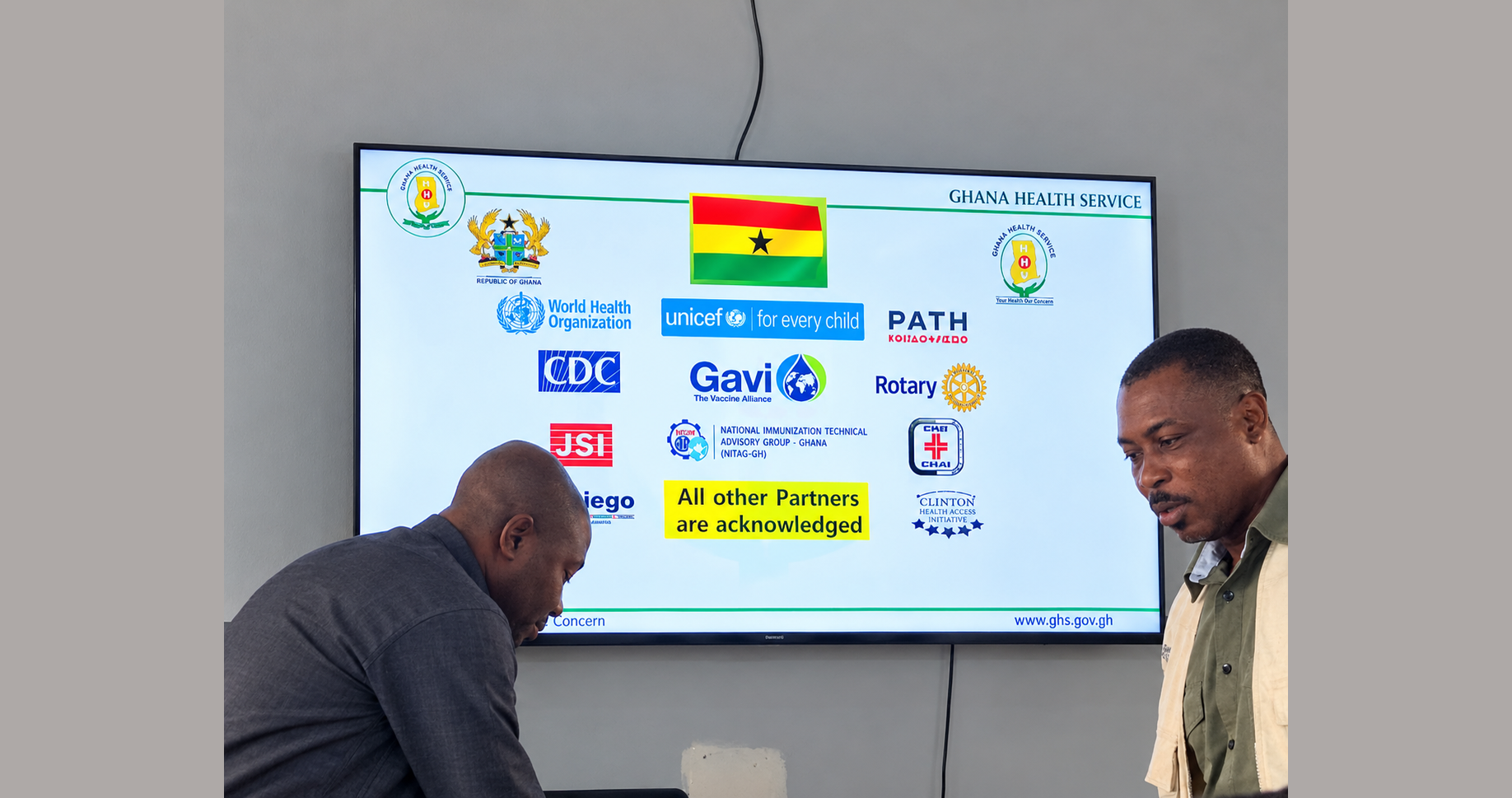
Takoradi, October 20, 2026 — The Ghana Health Service (GHS) has intensified public education on the Human Papillomavirus (HPV) vaccine, urging parents, guardians and communities to ensure that eligible girls receive the vaccine to protect them against cervical cancer.
The awareness campaign, held at the conference room of the Takoradi Hospital, brought together health officials and stakeholders to educate the public on the dangers of HPV, the burden of cervical cancer in Ghana, and the importance of vaccination, screening and community participation in preventing the disease.
Speaking at the event, Mr. Nicholas Assain Adomako, Regional EPI Coordinator, highlighted the growing burden of cervical cancer in Ghana, describing it as a major public health concern, particularly among women of reproductive age.
According to him, an estimated 3,083 women are diagnosed with cervical cancer annually in Ghana, while approximately 2,006 die from the disease.
He further indicated that cervical cancer remains one of the leading cancers affecting women, particularly those aged between 15 and 44 years.
Mr. Adomako noted that many women are diagnosed at advanced stages of the disease, reducing their chances of survival. He explained that survival rates vary significantly depending on the stage at which the cancer is detected, making early screening and prevention essential.
He therefore urged the public to take advantage of HPV vaccination and cervical cancer screening services to reduce the incidence and mortality associated with the disease.
HPV Vaccination as a Preventive Measure
HPV is a common virus that can be transmitted through intimate skin-to-skin contact, including sexual contact. Persistent infection with certain high-risk types of HPV can cause cervical cancer and other cancers.
The Ghana Health Service is promoting HPV vaccination as a key preventive intervention, with the campaign targeting girls aged 9 to 14 years, according to the programme details presented at the meeting.
The vaccine identified for the campaign was Gardasil 4, which protects against four types of HPV associated with cervical cancer and other HPV-related diseases. Health officials explained that the campaign would use a single-dose strategy to provide protection to eligible girls.
The routine immunisation programme was scheduled to commence on October 7, 2026, while the campaign's first round was planned for October 19–23, 2026, followed by a second round from November 23–27, 2026.
The vaccination exercise is expected to reach eligible girls through schools, health facilities and community-based activities, including outreach to girls who are not in school.
Mr. Adomako emphasised that the main objective of the intervention is to prevent cervical cancer and precancerous lesions caused by HPV, urging parents and caregivers to ensure that eligible girls are vaccinated.
He added that parents should keep the yellow vaccination card issued to each vaccinated child as proof of immunisation.
Western Region Records Strong HPV Vaccination Coverage
Figures presented during the campaign indicated that the Western Region had made significant progress in HPV vaccination coverage.
As of October 2025, a total of 148,318 girls had been targeted for vaccination. Of these, 126,281 girls in schools were reported to have received the vaccine, representing a coverage rate of 94.6 per cent.
For girls outside the school system, the presentation reported a target population of 14,832 and 14,561 vaccinated girls, although the coverage percentage provided in the presentation requires verification.
The figures highlighted the importance of combining school-based vaccination with community outreach to ensure that eligible girls who are not attending school are not left behind.
The campaign also underscored the need for continued collaboration between the Ghana Health Service, the Ghana Education Service (GES), the media, traditional authorities, community leaders and other stakeholders to improve public understanding and vaccine uptake.
WHO Targets Global Elimination of Cervical Cancer
The campaign also drew attention to the World Health Organization's global strategy to eliminate cervical cancer as a public health problem.
The strategy sets a threshold of fewer than four cases of cervical cancer per 100,000 women-years and outlines the following targets to be achieved by 2030:
- 90 per cent of girls fully vaccinated against HPV by age 15.
- 70 per cent of women screened with a high-performance test by age 35 and again by age 45.
- 90 per cent of women identified with cervical disease receiving appropriate treatment.
These targets are intended to strengthen prevention, early detection and access to treatment, thereby reducing cervical cancer cases and deaths worldwide.
Public Education and the Fight Against Vaccine Myths
A second speaker at the meeting stressed the importance of effective communication in ensuring the success of the HPV vaccination campaign.
The speaker called for stronger partnerships with media organisations, the Ghana Education Service, traditional leaders and community groups to disseminate accurate information and address misconceptions surrounding the vaccine.
The public was encouraged to adopt preventive measures, including HPV vaccination, regular cervical cancer screening, sexual health education and safer sexual practices.
The discussion also addressed questions and concerns about vaccine safety, fertility and the role of boys and men in HPV prevention.
Health officials emphasised that available scientific evidence does not show that HPV vaccination causes infertility. They also encouraged fathers, brothers and male community members to support vaccination by motivating eligible girls in their families and communities to receive the vaccine.
Although the campaign focuses on girls because of the importance of preventing cervical cancer, HPV can also cause other diseases in males. Questions about vaccination for boys should be addressed in line with national immunisation policy and current health guidance.
Participants were further encouraged to seek information from qualified health professionals rather than rely on rumours or unverified claims circulating in their communities.
Screening Remains Essential
Health officials also reminded women that HPV vaccination does not replace cervical cancer screening.
Women should consult health professionals about appropriate screening schedules, with particular attention to screening around the ages of 35 and 45, in line with the WHO strategy.
Early detection can improve treatment outcomes, while vaccination before exposure to HPV offers an important opportunity to prevent infections that may lead to cervical cancer.
The Ghana Health Service is therefore urging parents, guardians, schools and community leaders to support the vaccination exercise and help ensure that every eligible girl is reached.
Conclusion
The HPV awareness campaign in Takoradi forms part of broader efforts to reduce the burden of cervical cancer through vaccination, screening, public education and community engagement.
With strong stakeholder collaboration and continued public support, the Ghana Health Service hopes to increase vaccine uptake, address misinformation and protect future generations from HPV-related diseases.
Parents and caregivers are encouraged to take eligible girls to designated vaccination points and keep their yellow vaccination cards safely as proof of immunisation.
The message from health officials is clear: HPV vaccination, early screening and accurate public education are essential steps towards a future free from cervical cancer.